Find your next step

Search the care library

Start HereChoose a ReptileSnakesLizardsTurtles & TortoisesHabitatsFood & NutritionHealth & WellnessBasicsLawsResourcesCommunityHomeMyth BustersGood Reptiles Learning Center
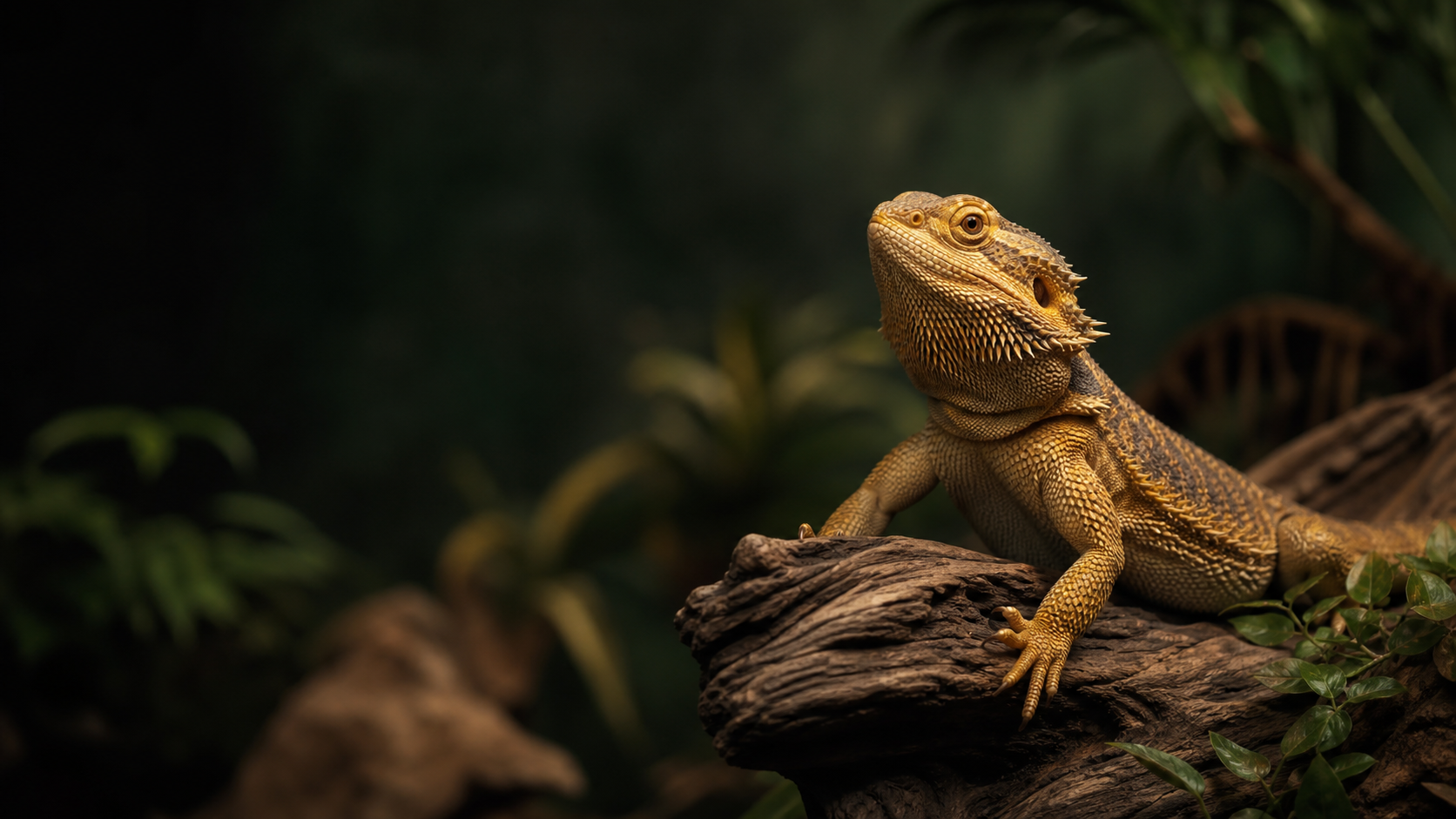
A bearded dragon in a natural habitat

Responsible reptile ownership

Choose Your Reptile

Find the right direction for your lifestyle.

Use broad comparisons to narrow your research, then study the exact species, source, adult needs, and long-term care before deciding.

  • Education first
  • Responsible sourcing
  • Lifelong commitment

Species finder

Compare commitment patterns

Difficulty labels are simplified. A “beginner” animal still requires a complete habitat, daily attention, and years of care.

Showing 9 starting points

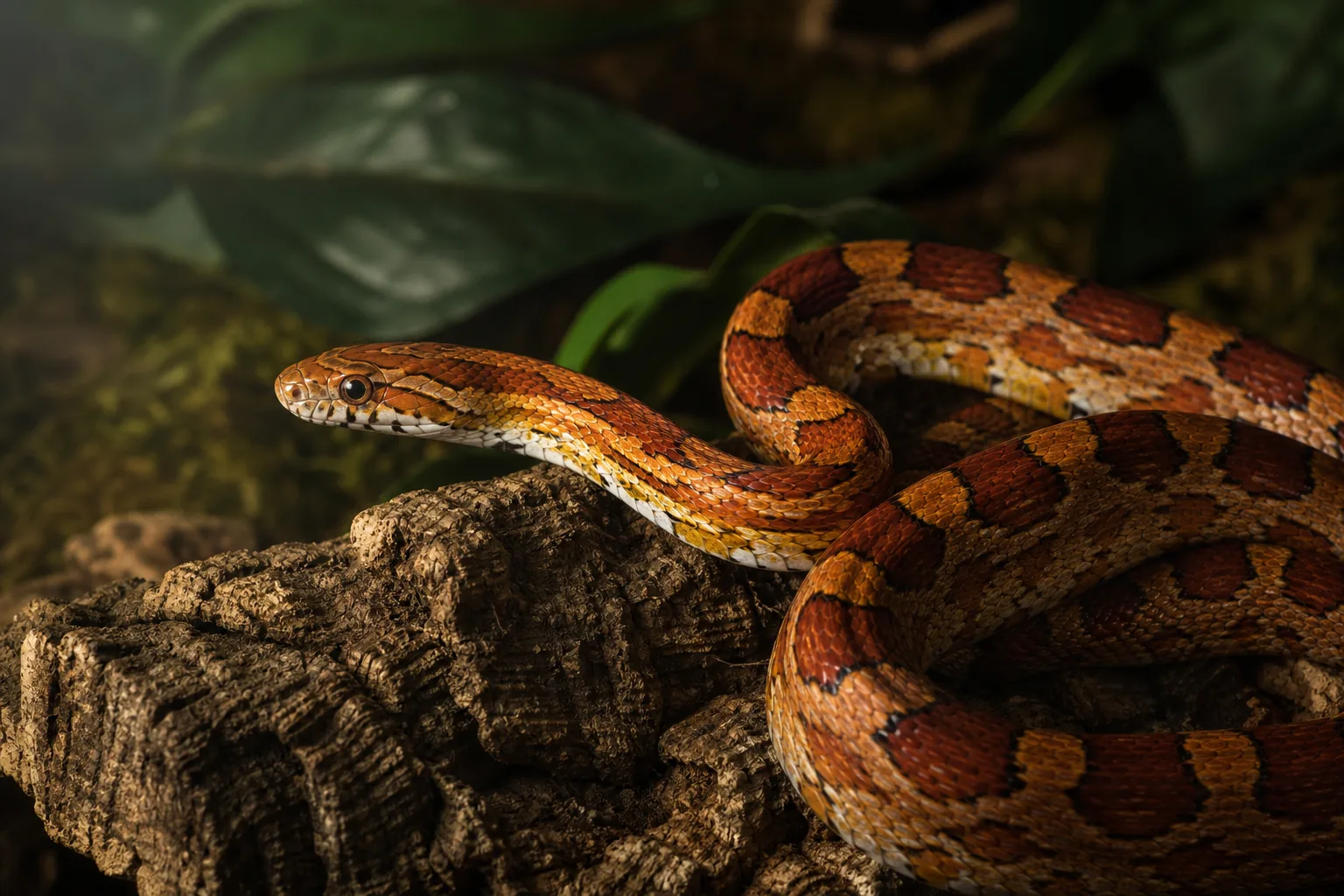
Orange corn snake coiled on cork bark
SnakeBeginner

Corn Snake

Secure enclosure and whole-prey feeding
Typical lifespan
Often 15–20+ years
Adult form
Medium-bodied snake
Often described as
Usually active and manageable
Open the care center
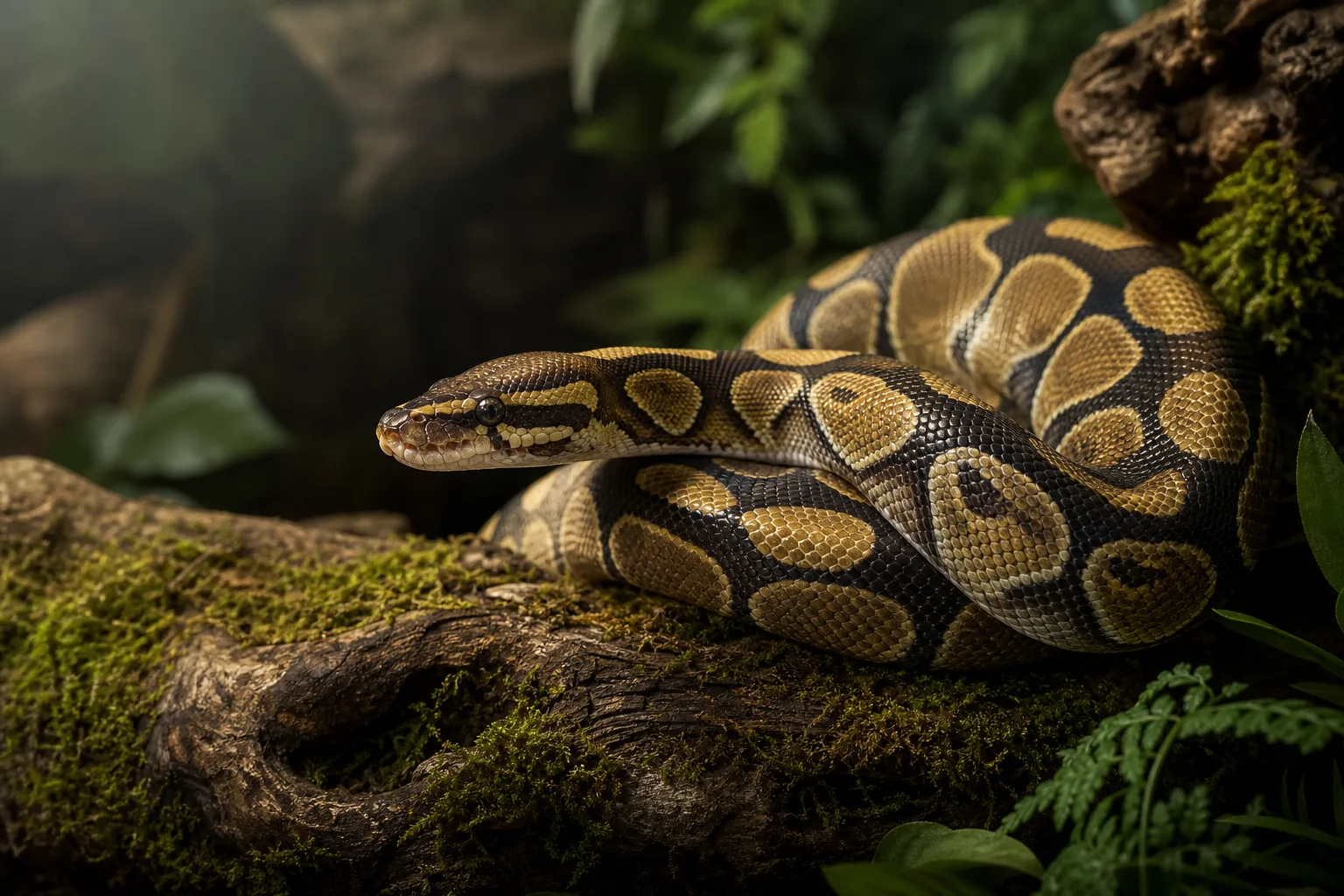
Ball python coiled on mossy natural wood
SnakeIntermediate

Ball Python

Close humidity and feeding observation
Typical lifespan
Often 20–30+ years
Adult form
Heavy-bodied snake
Often described as
Often calm, sometimes selective eater
Open the care center
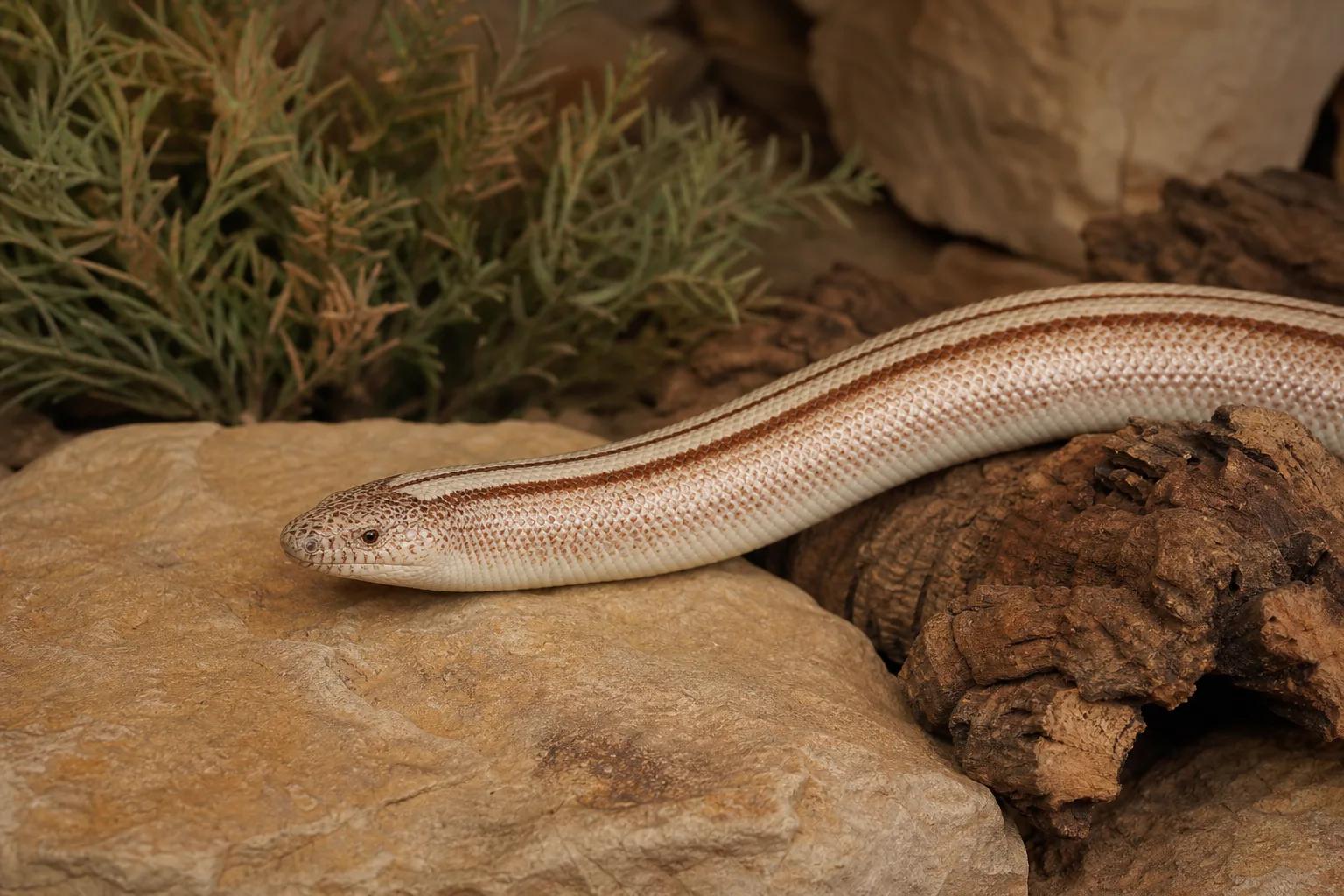
Striped rosy boa resting in a dry natural habitat
SnakeBeginner

Rosy Boa

Dry-climate husbandry and secure housing
Typical lifespan
Often 20+ years
Adult form
Small boa
Often described as
Typically slow-moving
Open the care center
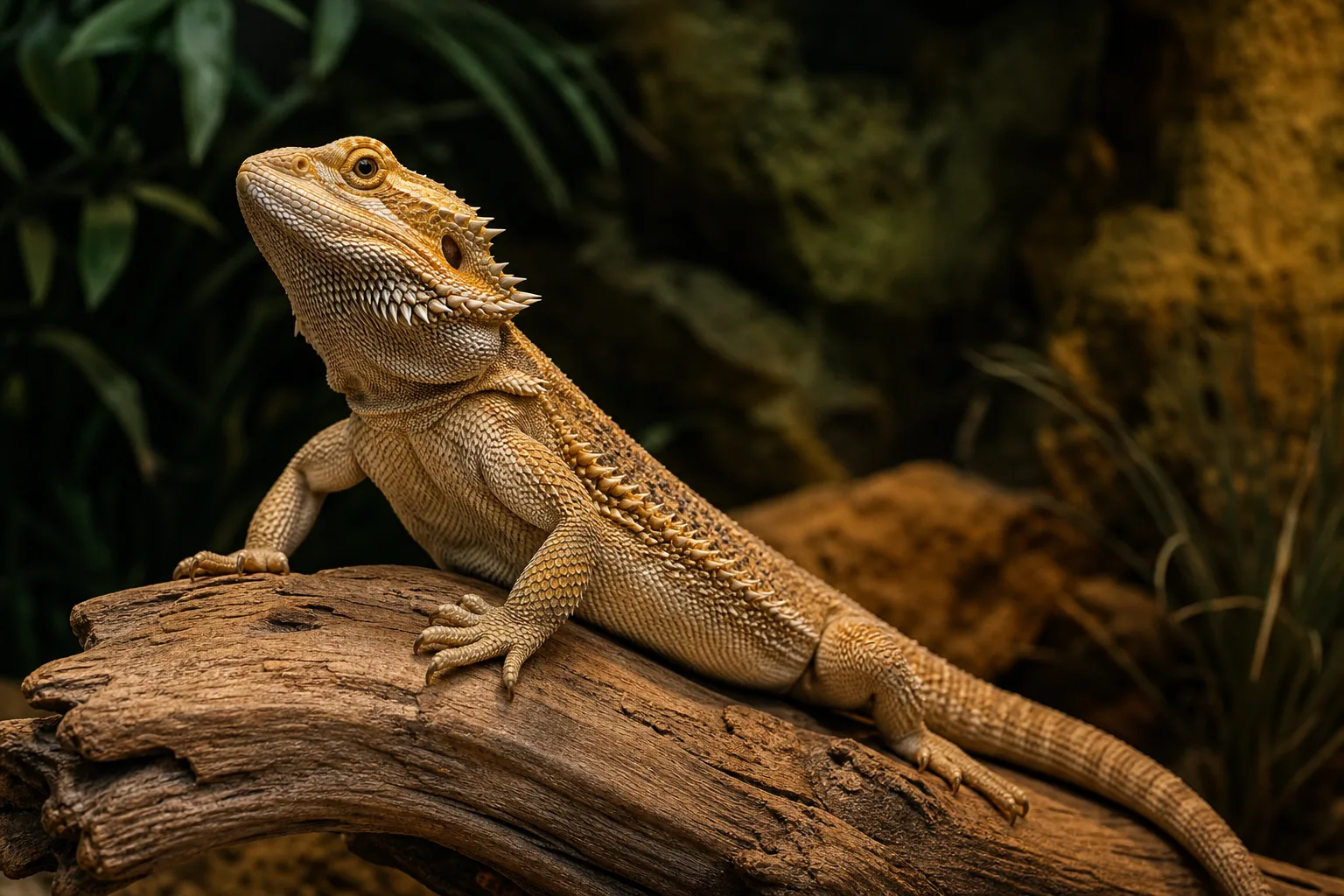
Bearded dragon basking on natural wood
LizardBeginner

Bearded Dragon

Large enclosure, UVB, heat, and varied diet
Typical lifespan
Often 10+ years
Adult form
Medium lizard
Often described as
Often alert and tolerant
Open the care center
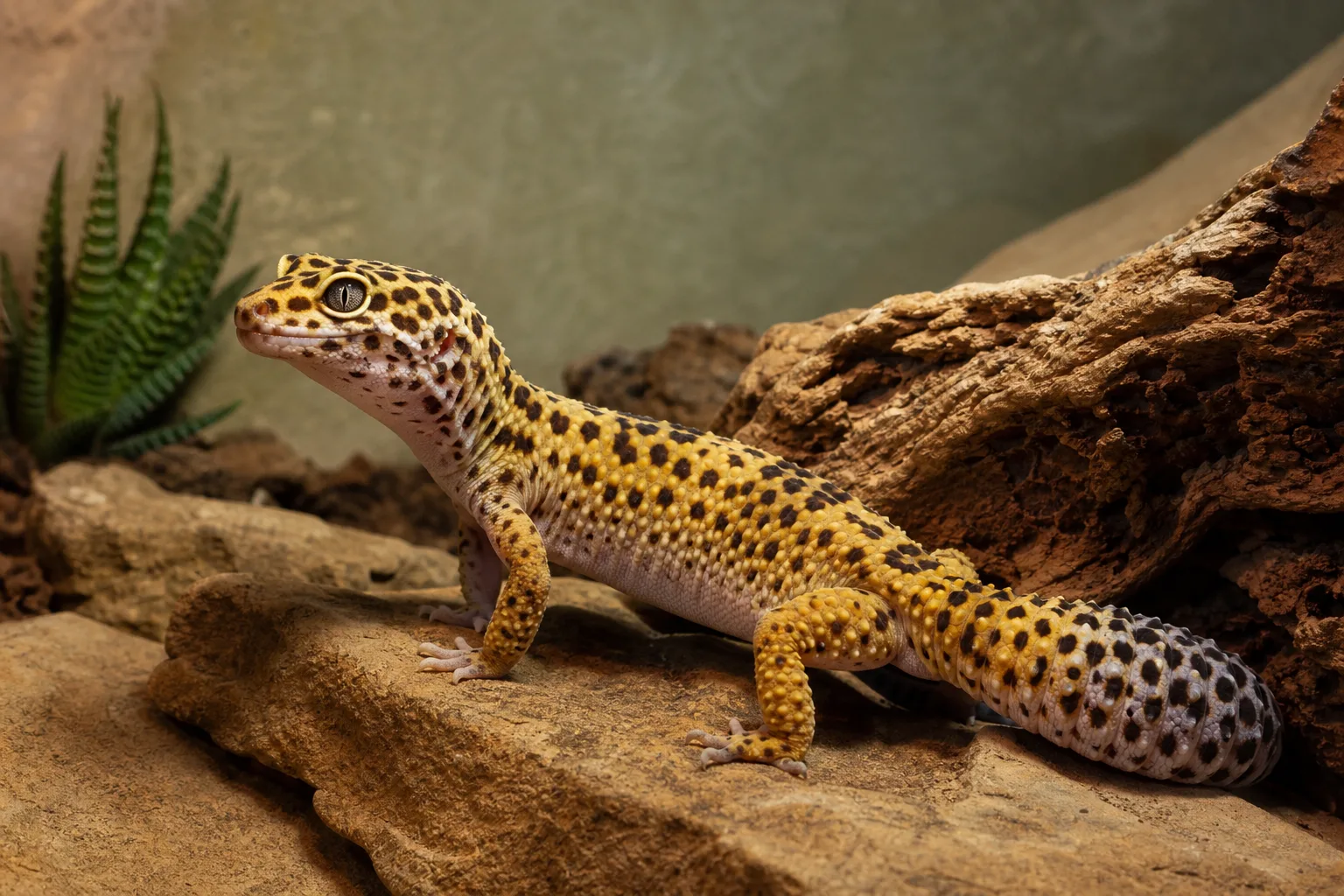
Spotted leopard gecko standing on warm stone
LizardBeginner

Leopard Gecko

Heat gradient and live feeder care

Typical lifespan
Often 15–20+ years
Adult form
Small terrestrial gecko
Often described as
Usually crepuscular and manageable
Open the care center
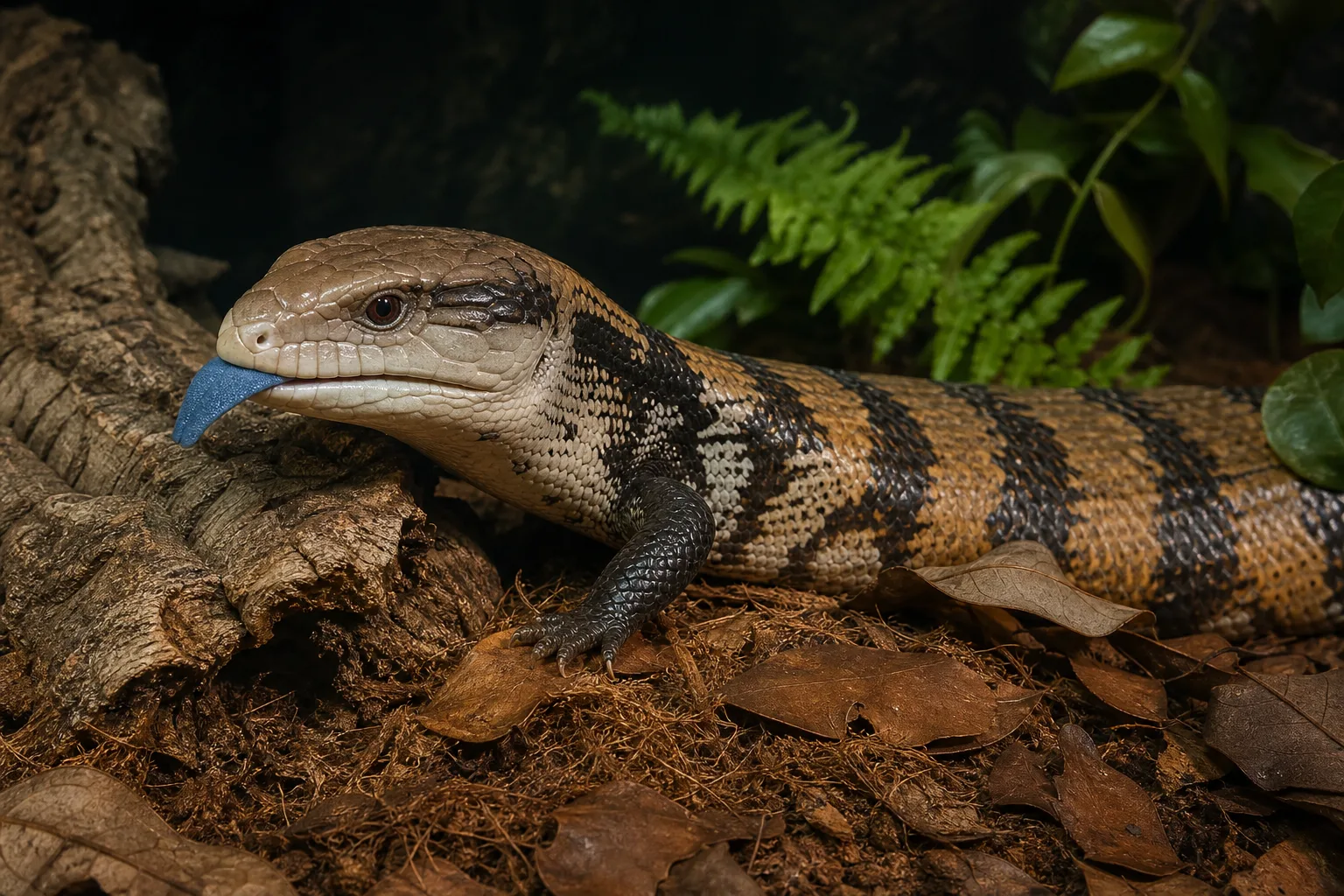
Blue tongue skink on natural leaf litter
LizardIntermediate

Blue Tongue Skink

Substantial floor space and varied diet
Typical lifespan
Often 15–20+ years
Adult form
Large-bodied skink
Often described as
Often curious and food-motivated
Open the care center
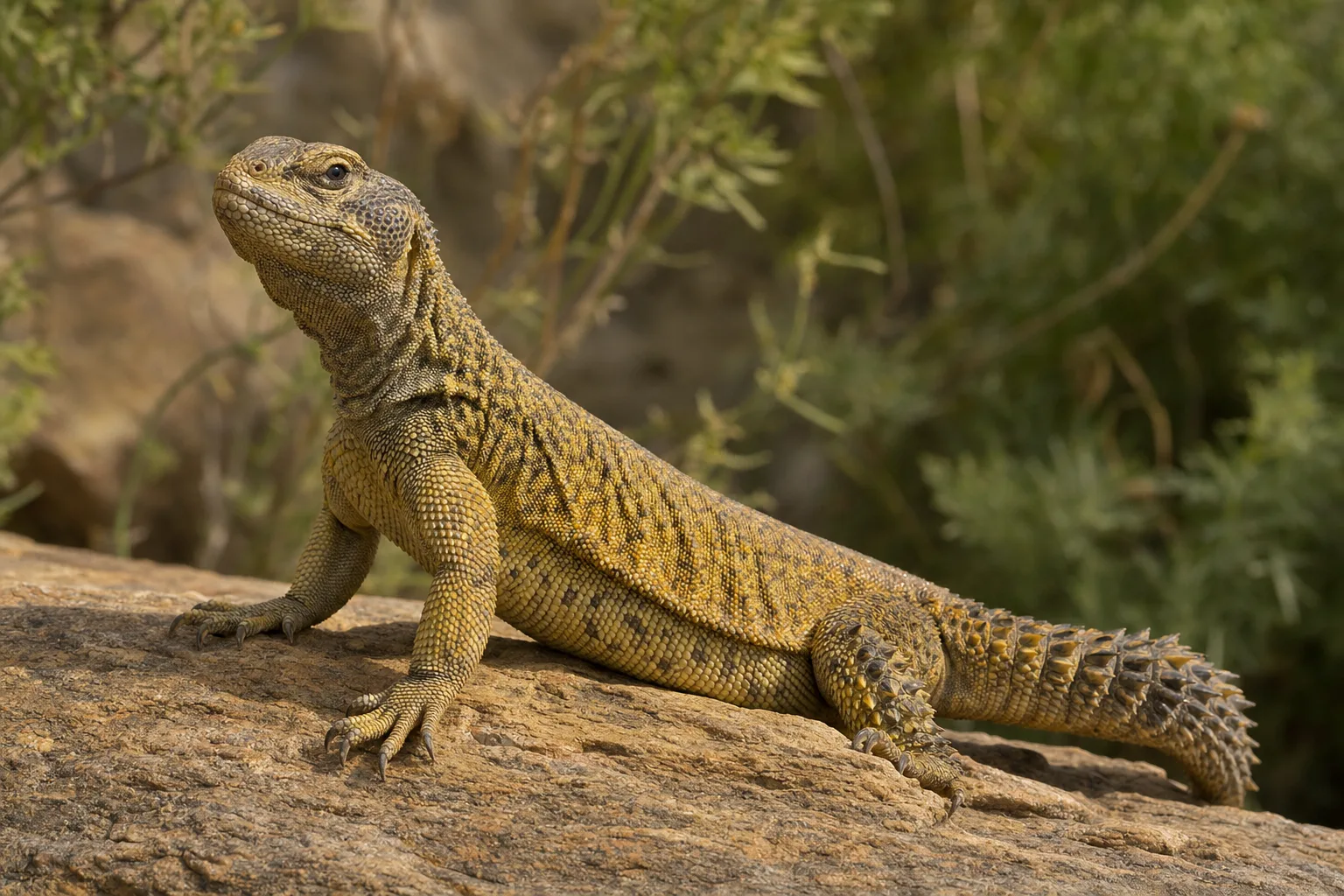
Uromastyx basking on a sunlit rock
LizardAdvanced

Uromastyx

High-output lighting and carefully planned diet
Typical lifespan
Often 15+ years
Adult form
Medium desert lizard
Often described as
Active basker
Open the care center
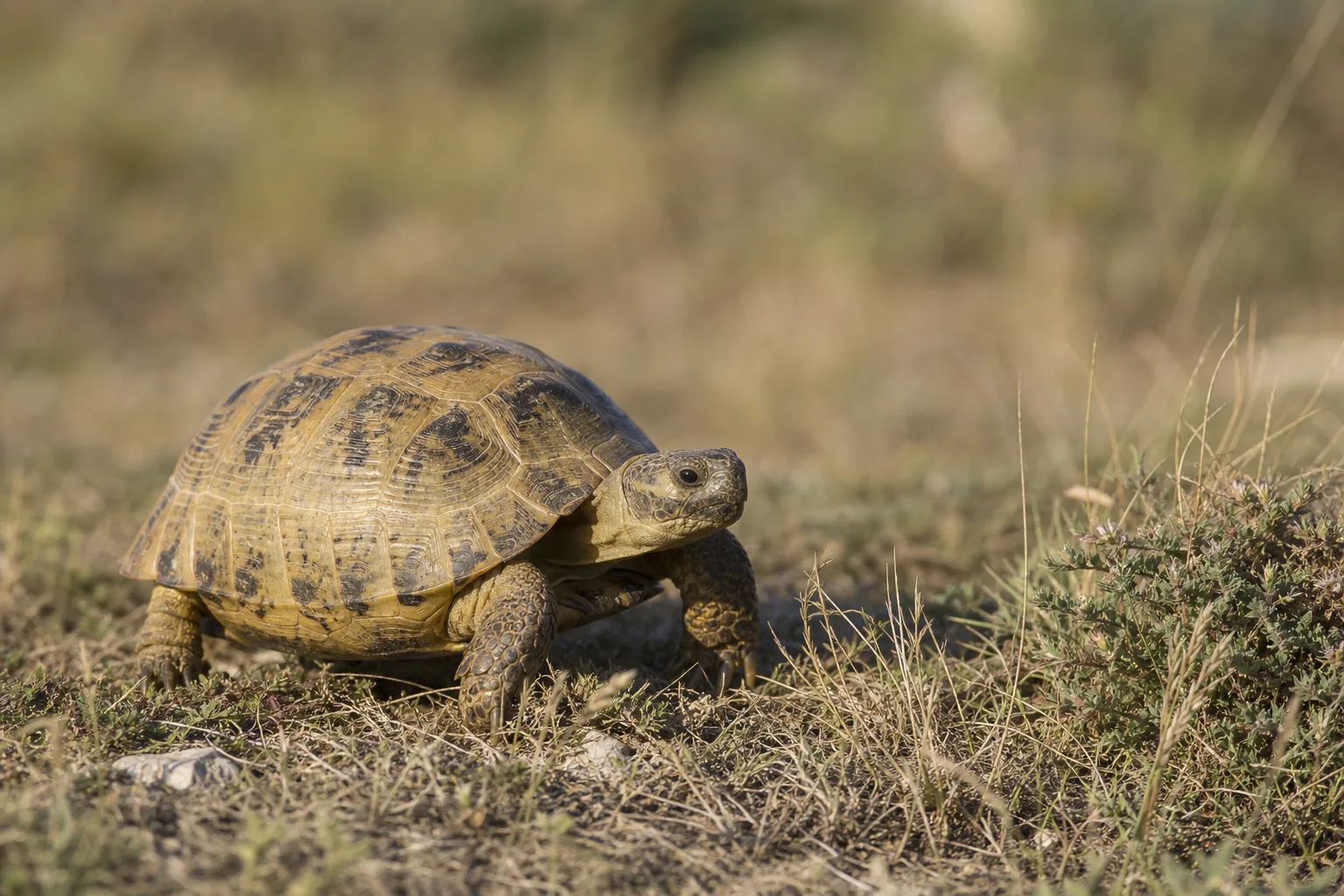
Russian tortoise walking through a dry grassland habitat
TortoiseIntermediate

Russian Tortoise

Large secure habitat and seasonal planning
Typical lifespan
Multiple decades
Adult form
Small-to-medium tortoise
Often described as
Active digger and grazer
Open the care center
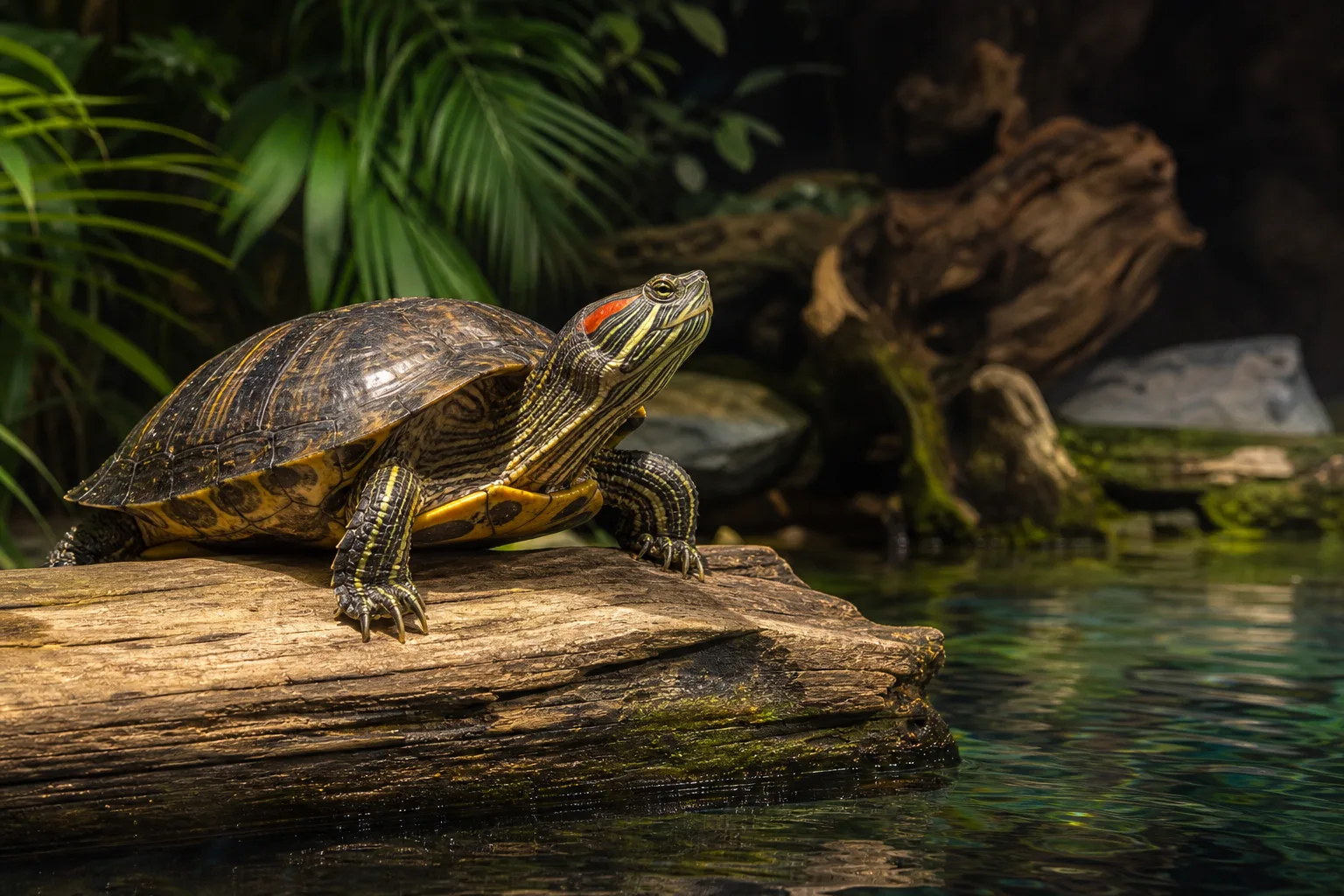
Red-eared slider basking beside clean water
TurtleAdvanced

Red-eared Slider

Large filtered aquatic system and basking area

Typical lifespan
Often 20–30+ years
Adult form
Medium aquatic turtle
Often described as
Active swimmer
Open the care center
01

Start with adult size

Housing and handling plans should work for the full-grown animal.

02

Plan the daily system

Heat, lighting, humidity, feeding, cleaning, observation, and records must be sustainable.

03

Verify the source

Ask how the animal was bred or placed, what it currently eats, and what support is available.

04

Confirm the future

Consider lifespan, moves, travel, veterinary access, local rules, and backup care.