
State agency
Find the agency that regulates wildlife, agriculture, health, or exotic animals in your state.
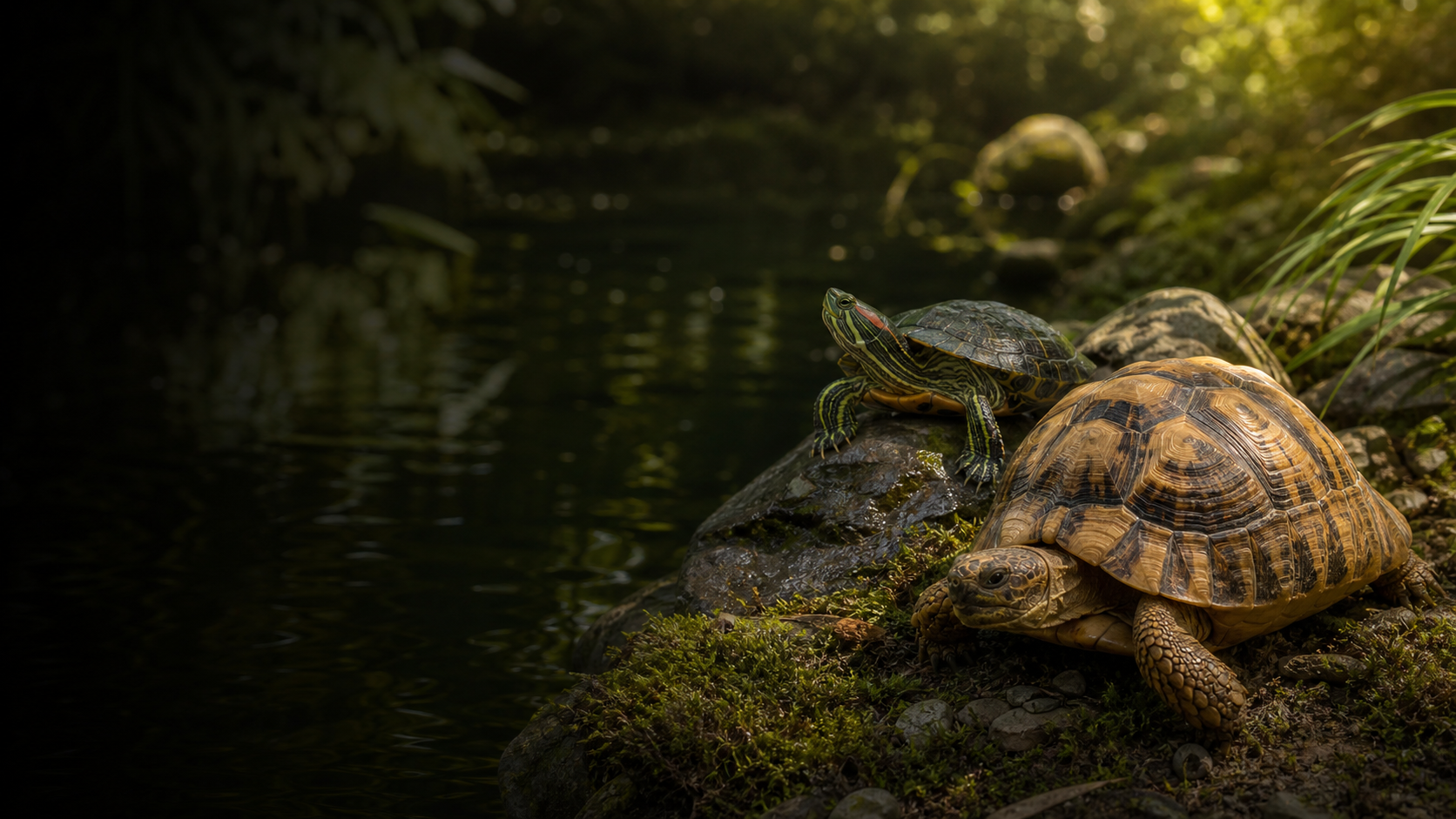
Responsible reptile ownership
Know the rules. Respect wildlife. Keep responsibly.
Reptile rules change and often differ by species, location, and activity. Use current official sources before buying, moving, breeding, selling, or traveling.
The five-layer check
Treat legal research as a trail: identify the animal precisely, check the activity, then verify every relevant jurisdiction.
Wildlife, agriculture, health, or environmental agencies may regulate ownership, transport, or sale.
Local ordinances can be stricter than statewide rules.
Venomous reptiles, large constrictors, crocodilians, native wildlife, and protected species often have distinct rules.
Keeping, breeding, selling, exhibiting, and transporting may trigger different requirements.
Leases, homeowners associations, insurers, and travel destinations can add restrictions.
Find the agency that regulates wildlife, agriculture, health, or exotic animals in your state.
Search county and city codes, then confirm questions with the responsible office.
Check federal wildlife rules, interstate movement, and protected-species requirements when relevant.
Save the source, contact, date checked, permit details, and renewal requirements.