
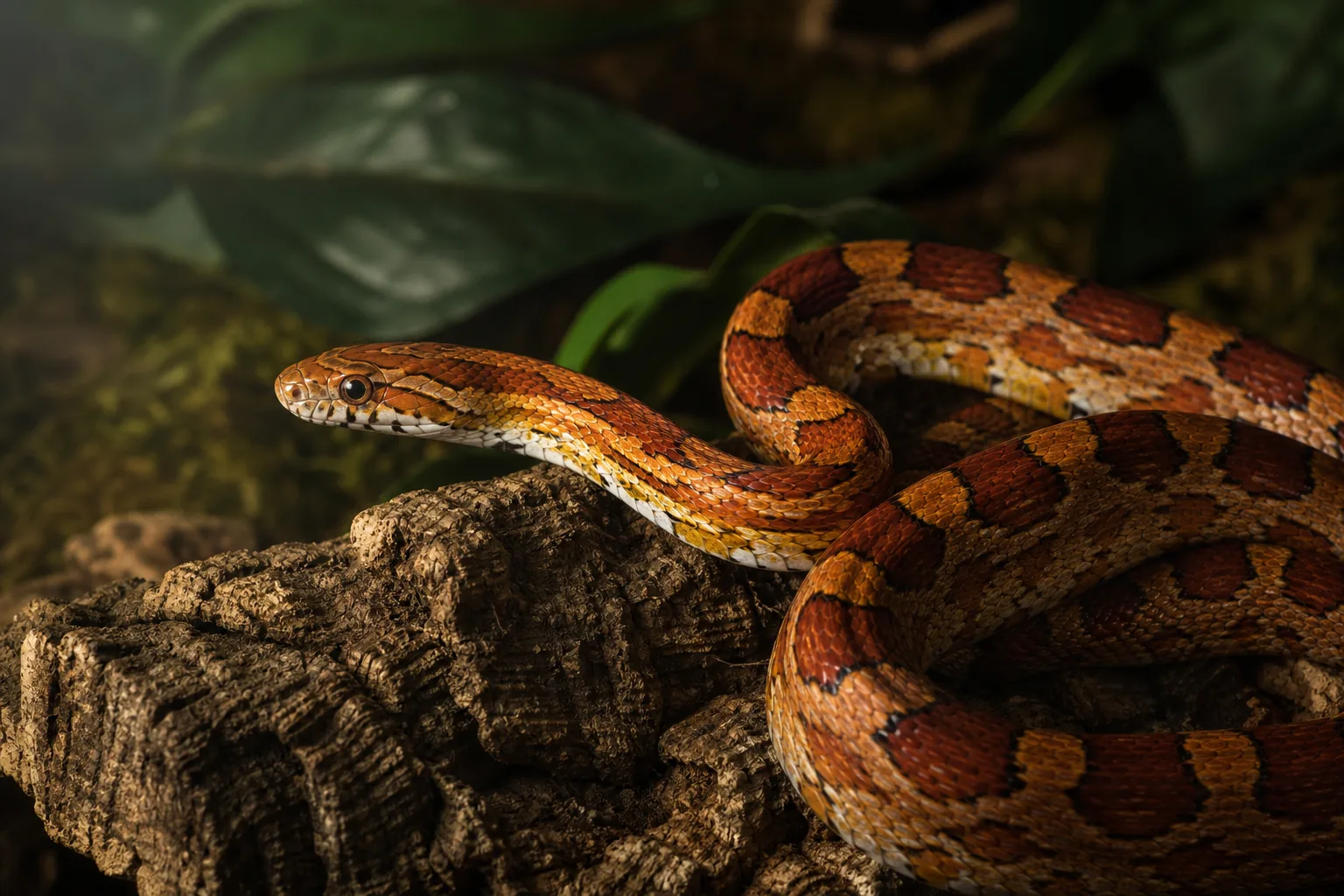
Beginner
Corn Snake
- Typical commitment
- Often 15–20+ years
- Adult form
- Medium-bodied snake
- Often described as
- Usually active and manageable
Secure enclosure and whole-prey feeding
Compare in the species finder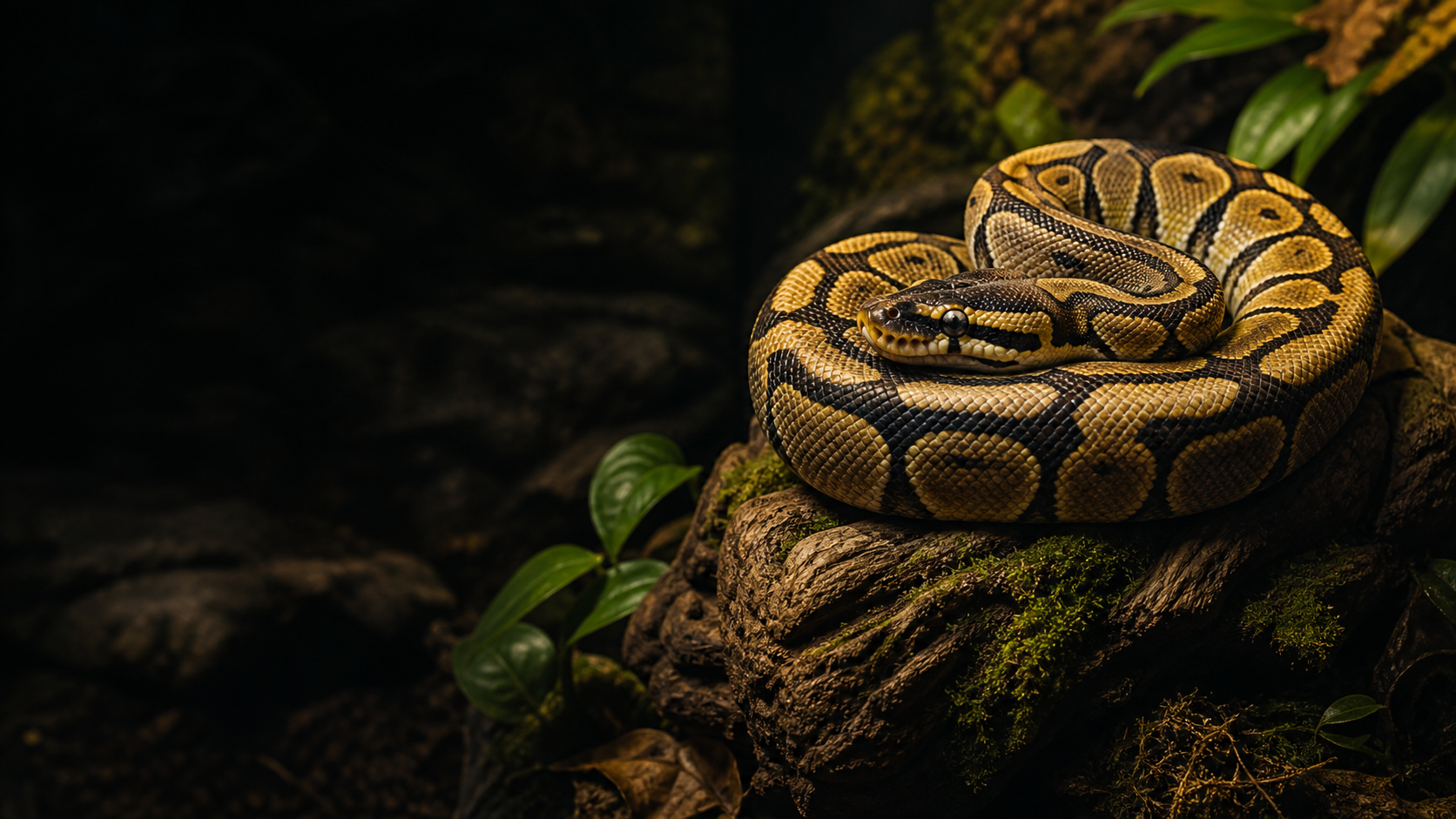
Snakes care center
Fascinating. Intelligent. Misunderstood.
Explore responsible snake ownership, species differences, secure habitats, feeding systems, and health baselines.
Compare the commitment
These summaries help narrow the field. They are not complete care sheets; confirm current guidance before choosing an animal.
Secure enclosure and whole-prey feeding
Compare in the species finder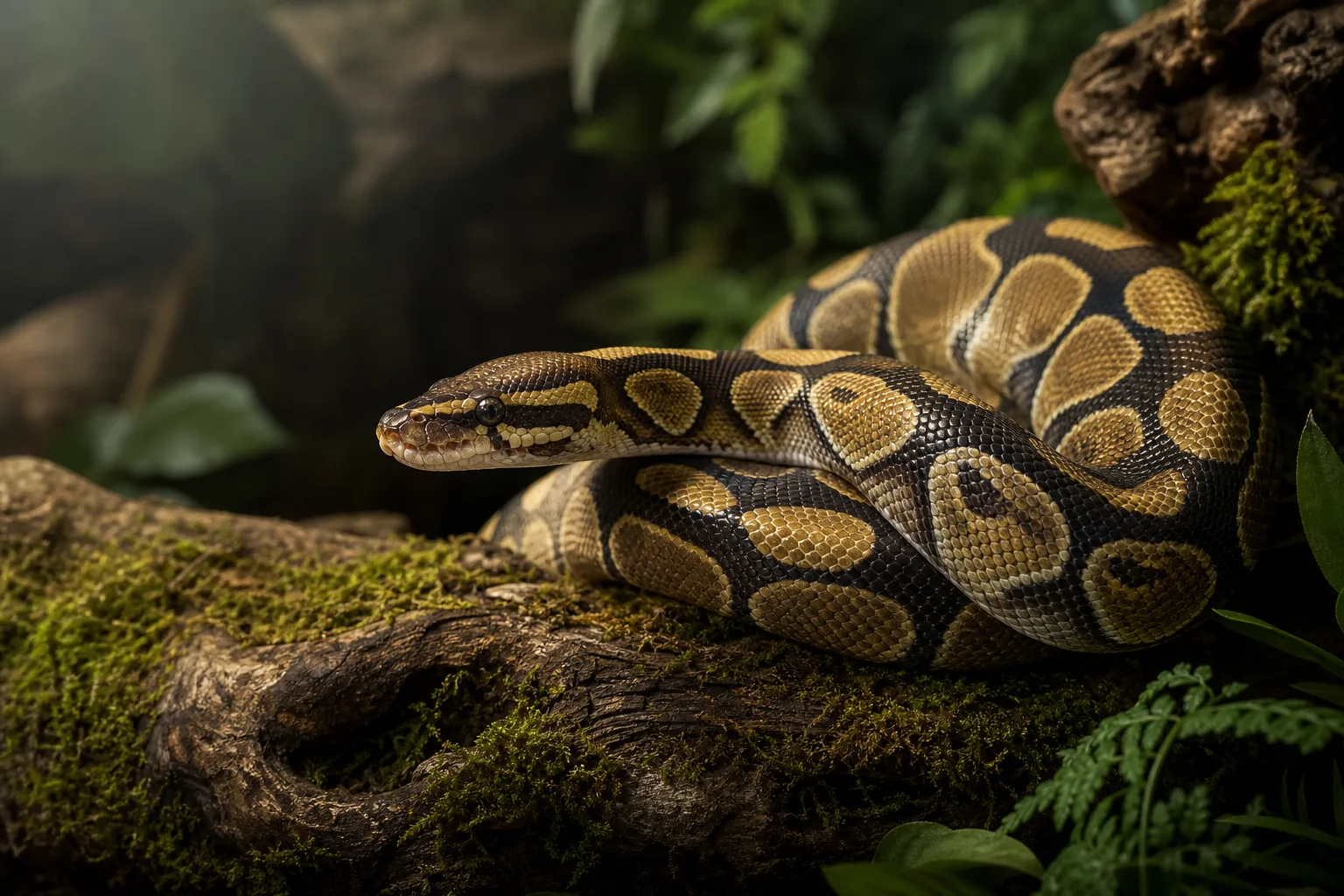
Close humidity and feeding observation
Compare in the species finder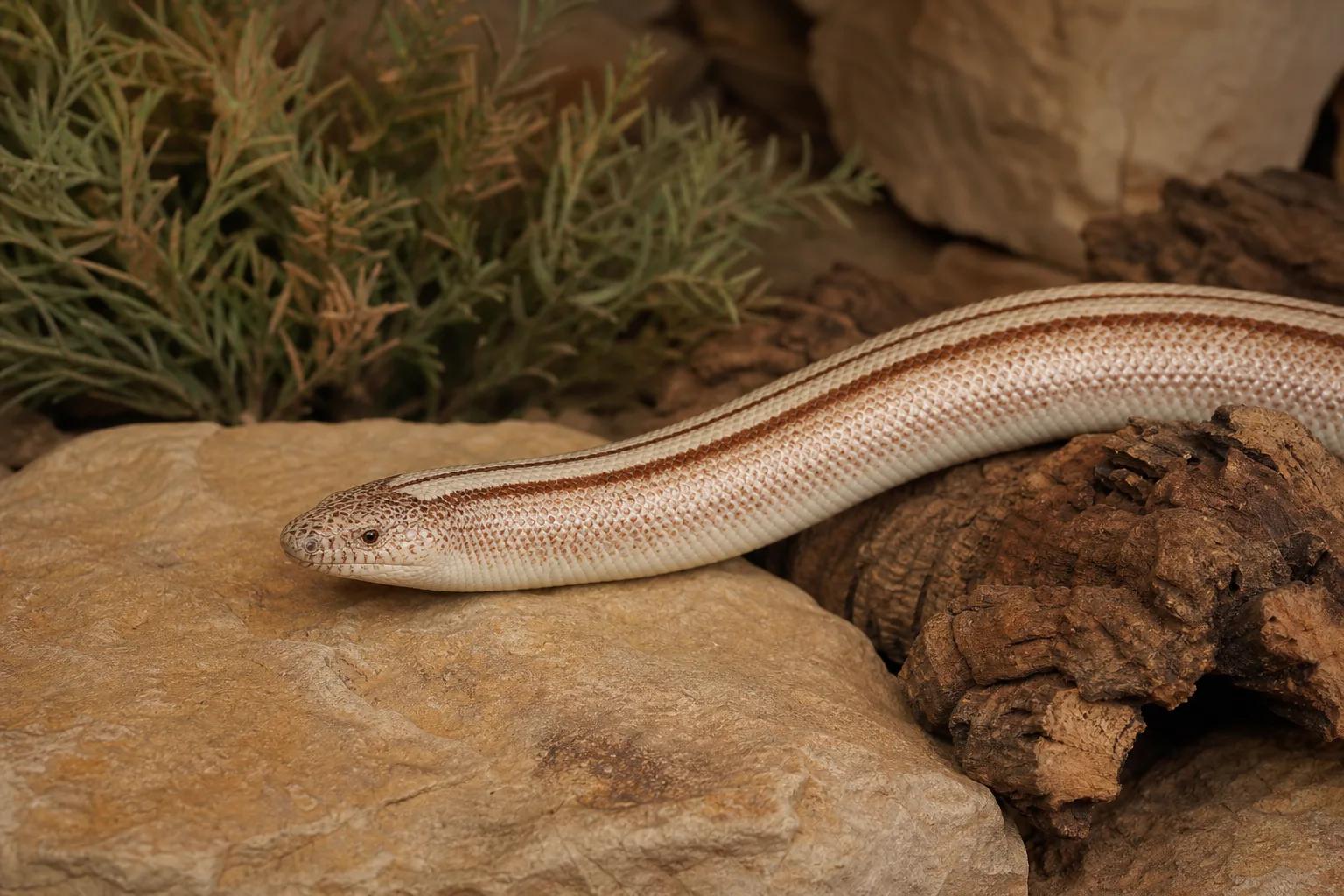
Dry-climate husbandry and secure housing
Compare in the species finderBuild the care system
A species page should connect the daily routine, the environment, the animal’s natural history, and the signs that something is changing.
The responsible path
Plan for full size, full lifespan, full equipment, routine veterinary care, travel, housing changes, and the cost of doing it well.
Open the planning resources