
Plant eaters
Use species-appropriate greens, vegetables, browse, or aquatic plants with deliberate variety.

Responsible reptile ownership
Species first. Life stage second. Individual always.
A responsible feeding plan starts with what the species is adapted to eat, then adjusts for age, health, activity, season, and veterinary guidance.
The care system
Know the food categories, sourcing, preparation, supplementation, safe portion size, and signs that the plan needs to change.
Use species-appropriate greens, vegetables, browse, or aquatic plants with deliberate variety.
Source healthy feeders and manage size, variety, hydration, and gut loading.
Use correctly sized, responsibly sourced prey and a reviewed feeding interval.
Coordinate calcium, vitamins, diet, and lighting instead of stacking products.
Track weight and body condition over time, not just appetite.
Record foods offered, amounts eaten, supplements, refusals, and waste.
See the care system
These scenes connect the written guidance to the spaces, routines, and observations that responsible care requires.
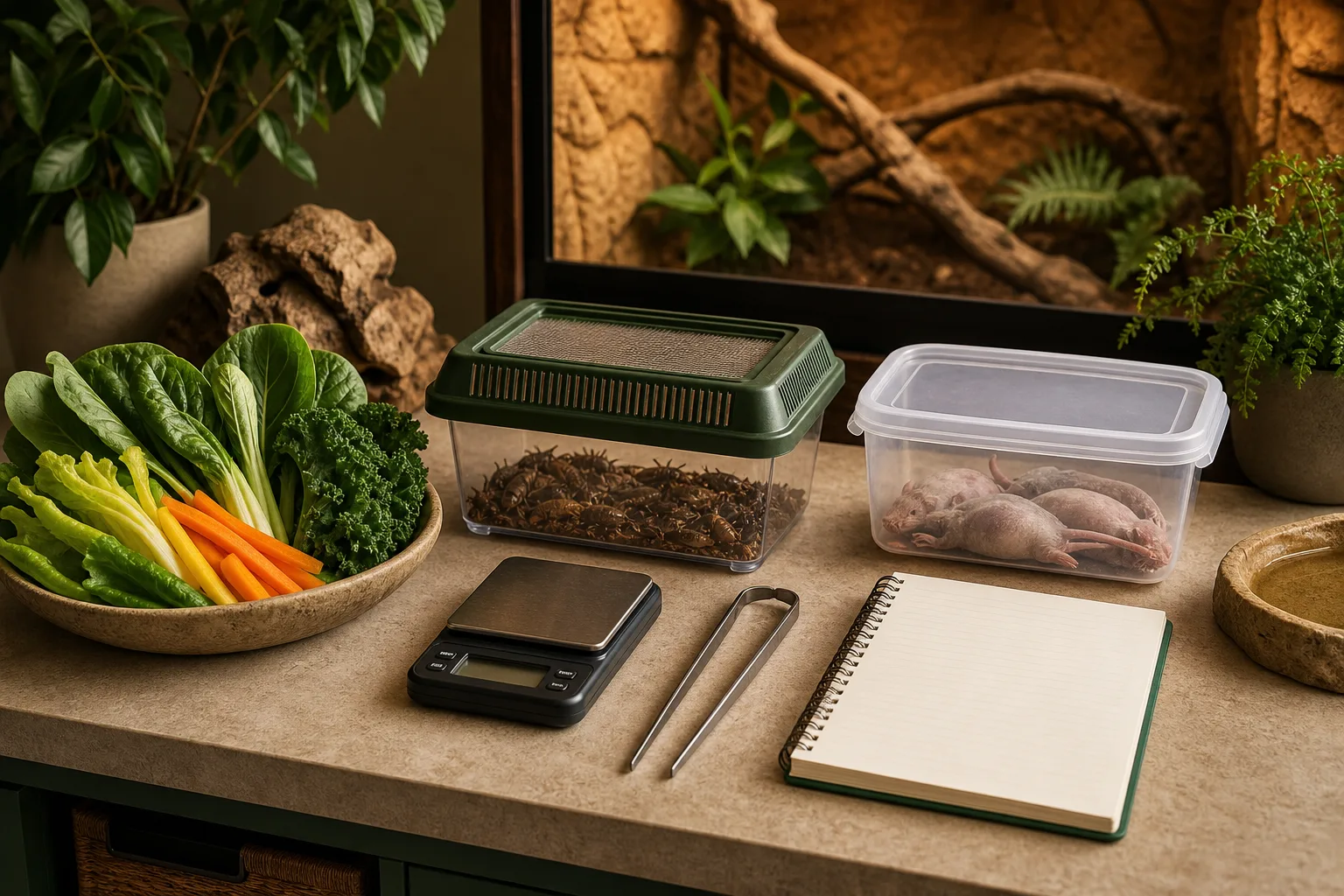
Plan food categories, sourcing, preparation, supplementation, and observation together.
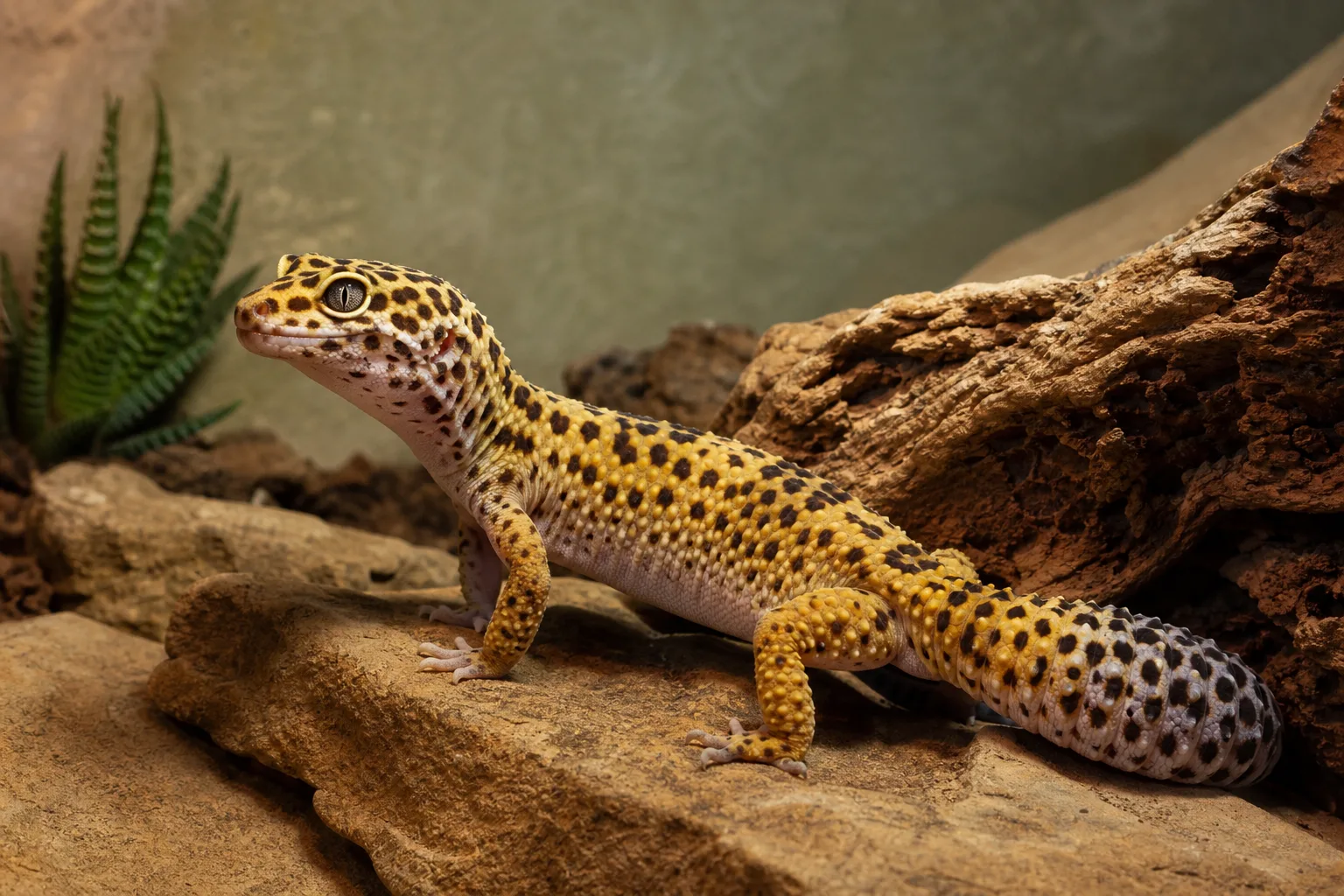
Appetite is only one signal; monitor weight, behavior, waste, and condition over time.
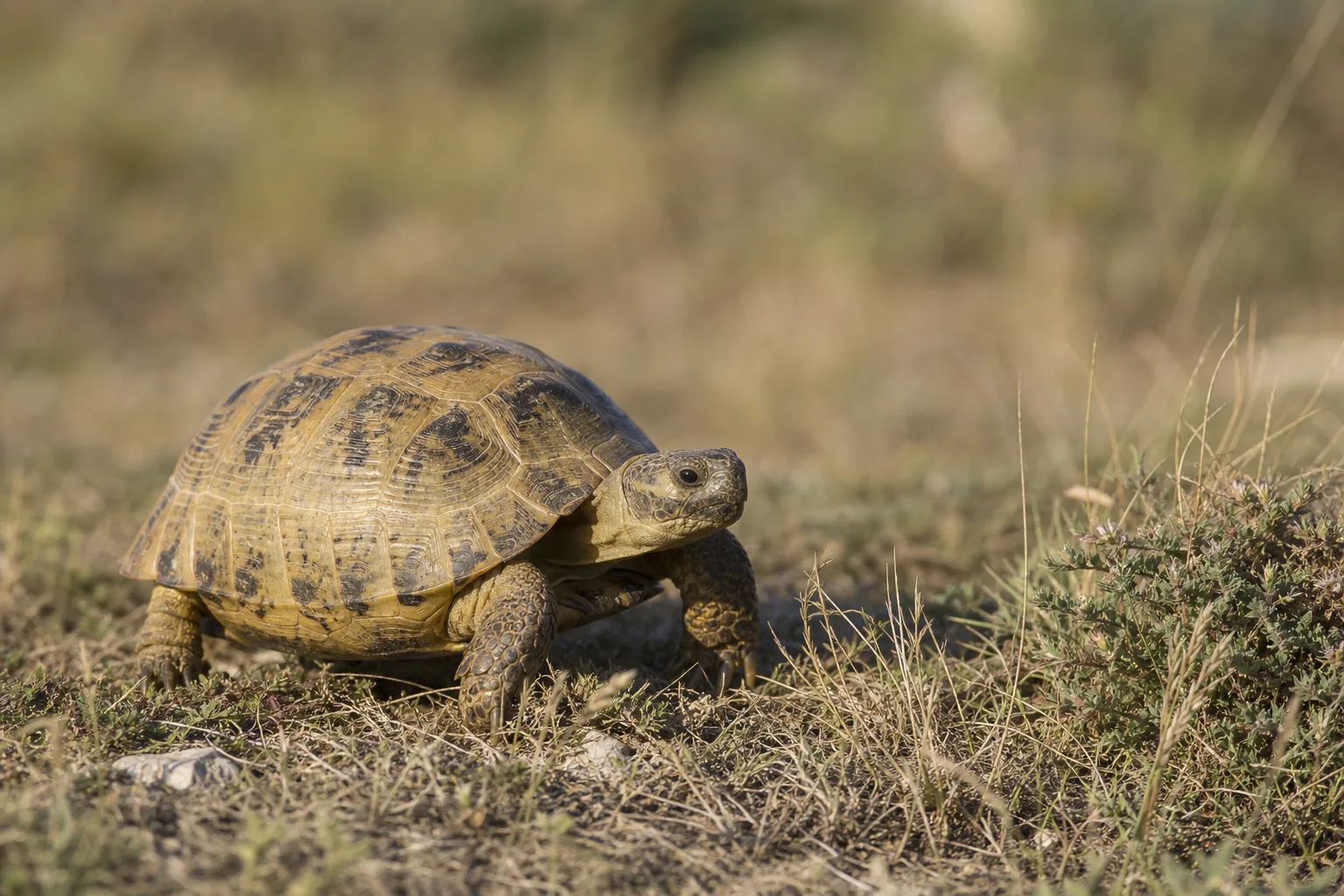
Feeding plans should reflect the species, age, environment, activity, and current guidance.
Put the plan on paper
Use this as a planning conversation, then refine it with reviewed guidance for the exact animal.
A responsible reminder
Length alone is not enough to set prey size or frequency. Use current, species-specific guidance and involve an experienced veterinarian when growth, weight, appetite, or waste changes.